Who said retirement would be boring. It certainly wasn’t me and like everything in life it’s what you make of it. After nearly eight years life is still not slowing down. Just me getting slower. And sometimes more selective in what, when and where.
Lockdown seems an age ago and is something we hope never to be repeated. But it did have some good things come out of it. People had the opportunity to sit and think about projects that they could do post Covid. Like on one grey December day the idea of garden tours was hatched. By two old duffers. No. Not us. But Michael Marriott and Rosie Irving. Now I’m not being rude about them. Never. It is their description. Two old gardening duffers.
Over lockdown I built up a great friendship online with them both. For those that know Rosie will know that she loves to talk. About plants. Gardens. Oh. And shopping. Michael is very generous in his advice and his knowledge. For those who don’t know Michael is the Rose expert, consultant , garden designer and with Rosie often goes live at five on instagram. An hour of garden chat. I’m saying an hour. But ….. it usually more. And always very entertaining.
So the concept of the garden tours was mooted and it came to fruition. TODS garden tours. Yep. Two old duffers. Safe to say it’s only taken me a few years to book with them but it was well worth the wait.
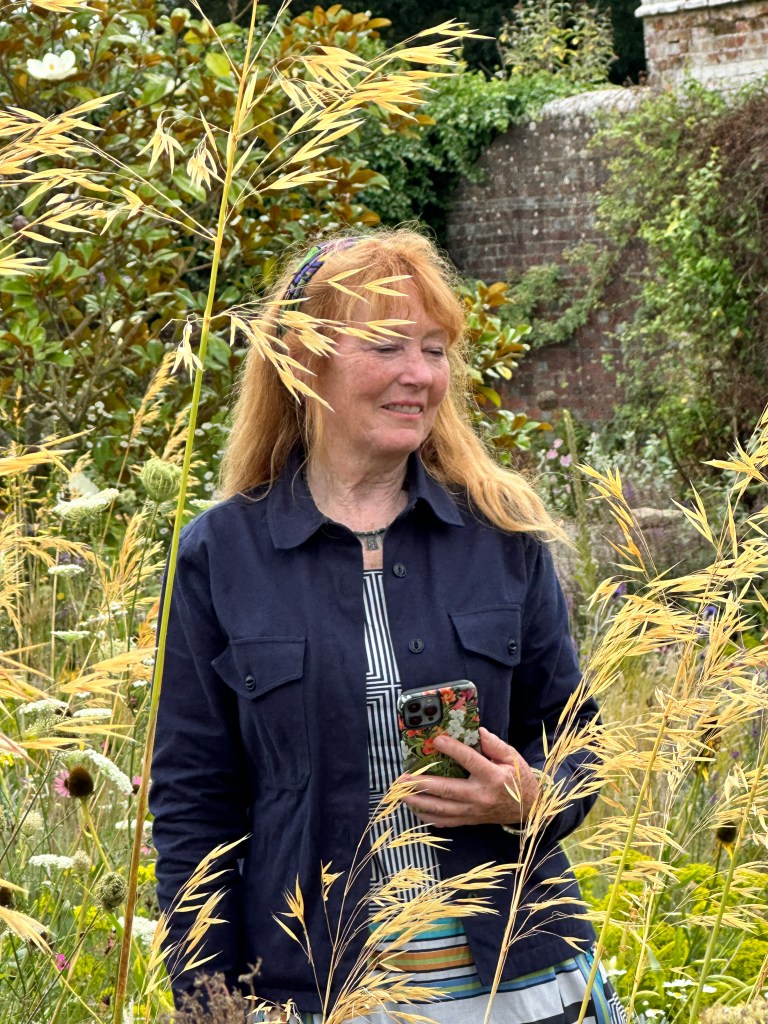
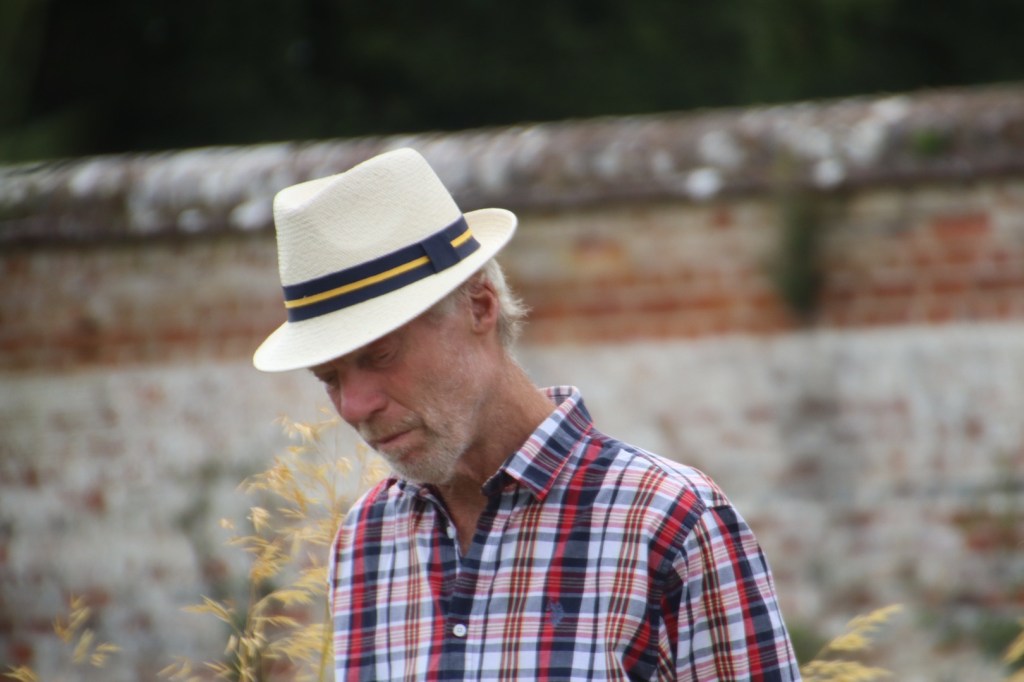

To be fair. We don’t usually do many guided tours. It’s just not our bag. But this was TOD. I had great expectations. I knew two other people on the tour. A great friend in Barbara Segall and a more recent friendship with Jacqui Cox ~ an introduction from Rosie. We had met once before when we both happened to be in Valencia at the same time. And got on. Well. Also having had years of conferences and meetings where you had to introduce yourself like a therapy group I was worried about not so much myself. But Ian. He would admit. He’s not a gardener. He has no social media presence at all. Unless you take in photographs of his back walking ten feet in front of me. But. Fear not. It was an easy process. The people on the tour travelled from all over the country for the tour. Many had been in the previous days visit to Great Dixter.
.
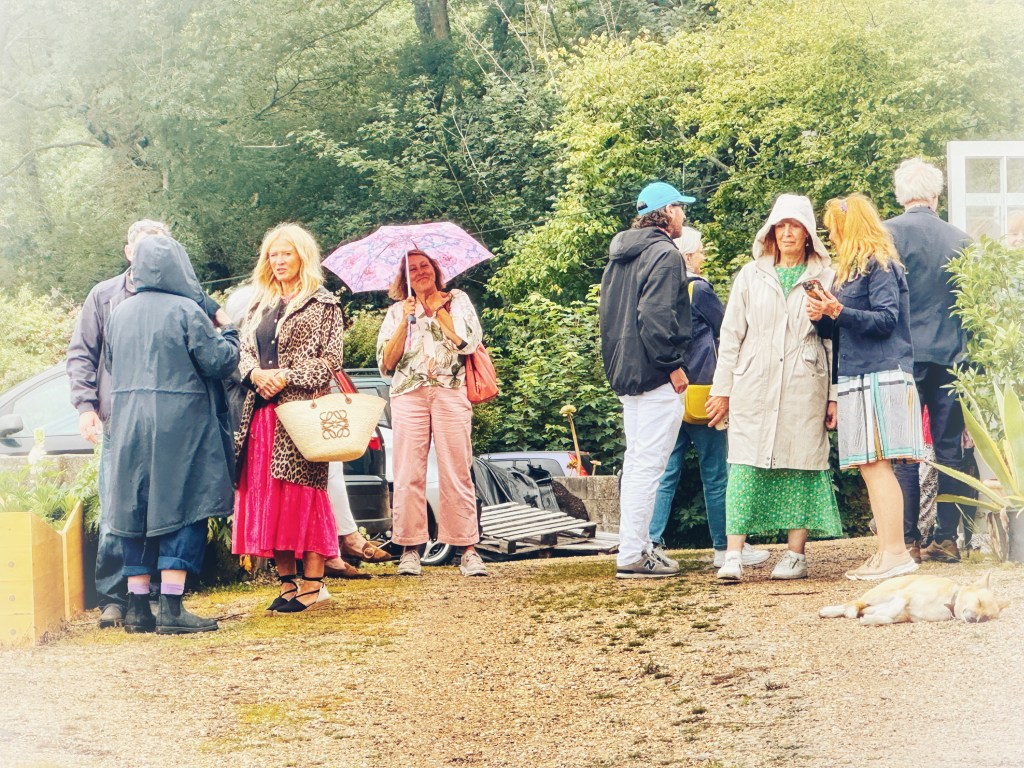
Our first stop was Gravetye Manor – built in 1598 it is a beautiful building and hotel with a Michelin star restaurant with gardens considered to be one of the most important in the UK. The gardens were created by William Robinson in 1885 one of the most influential gardeners with his introduction of the concept of mixed borders. He was an interesting man and his story can be found at Gravetye Manor The gardens are not open to the public but can be viewed as guests of the hotel or diners at the restaurant or on specialist garden tours.
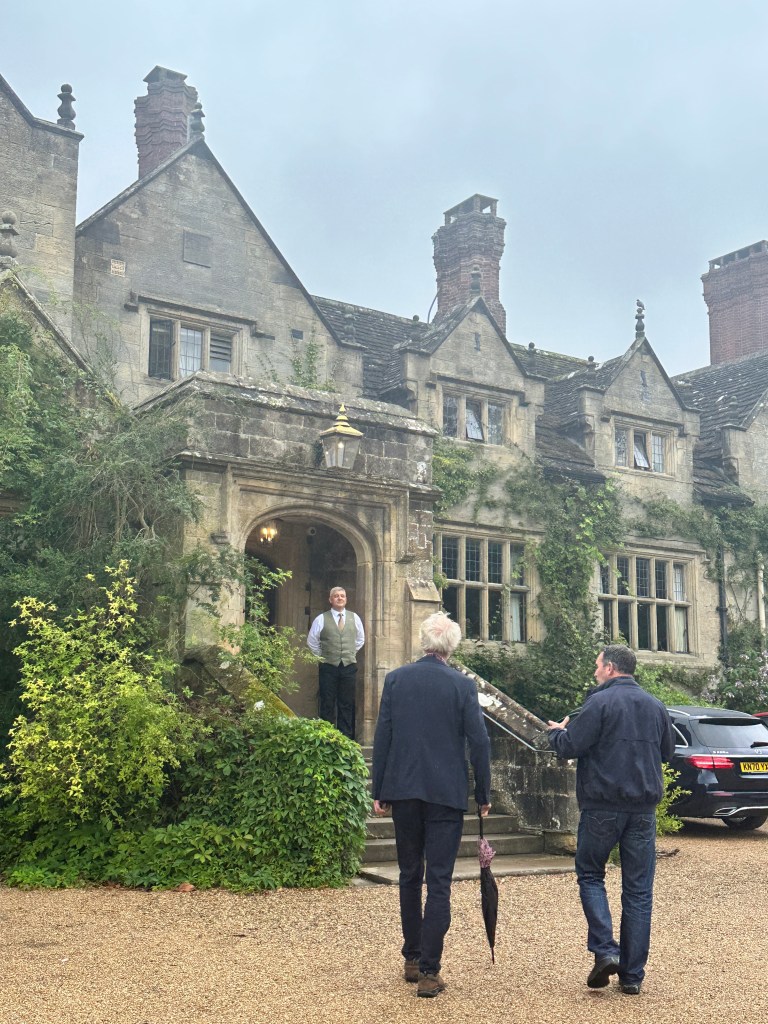
The tour starts with morning tea and biscuits ( I’ll vouch that the chocolate biscuits are the best ) and an introductory talk from the head gardener Tom Coward. Tours can be made or broken dependant on the quality of the guide. But instantly you knew this was going to be good. Tom is a great and passionate gardener who draws you into the subject. Entertaining and informative with 9 years experience in this garden. We knew we were onto a winner.
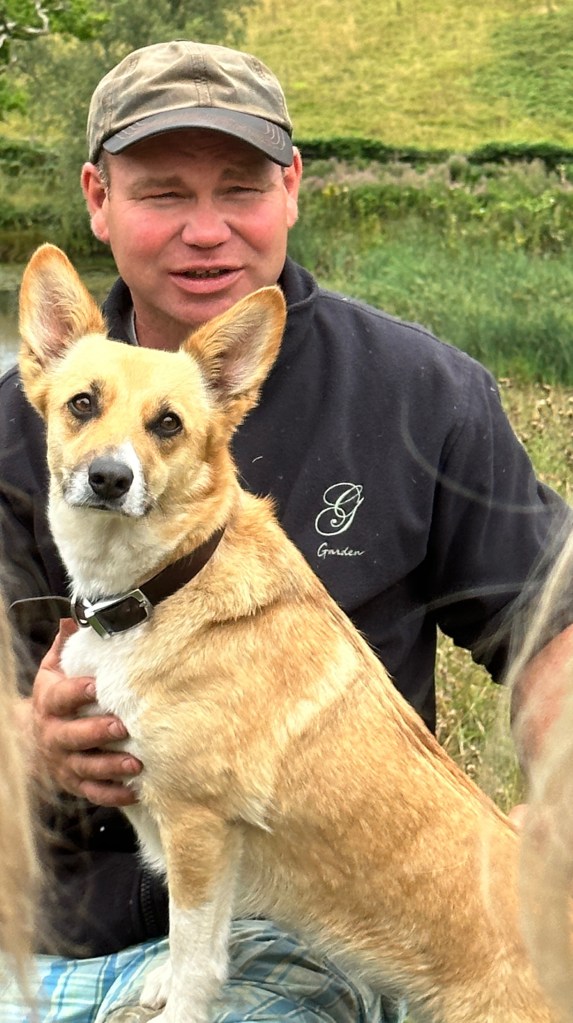
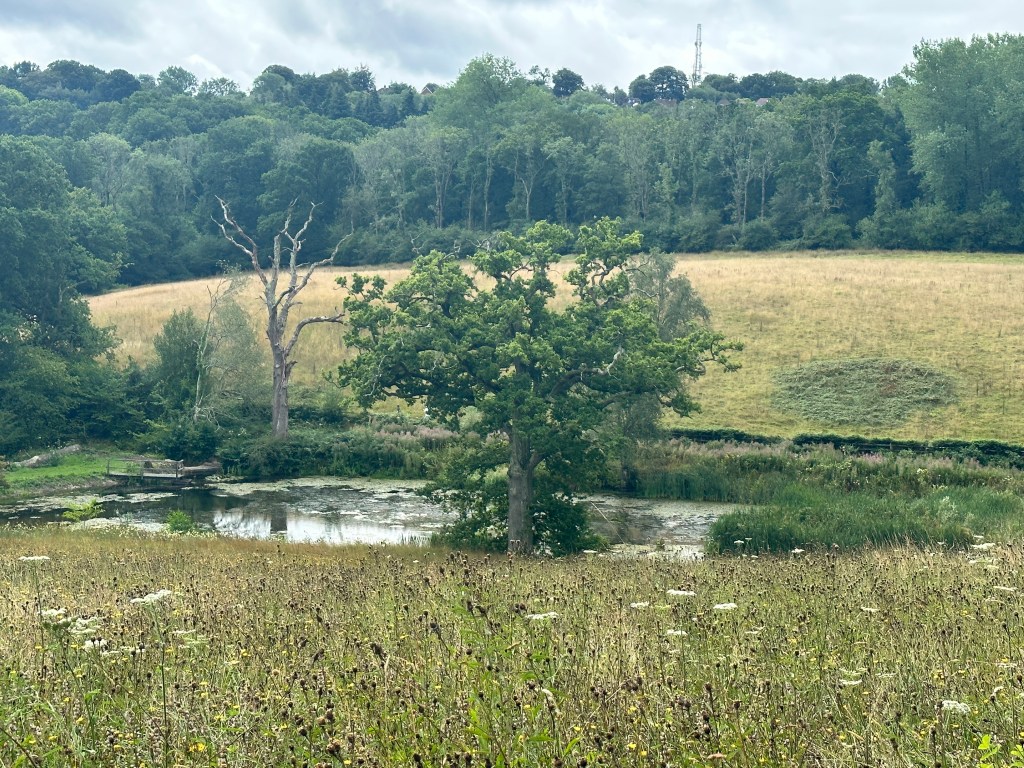
Standing outside listening to Tom looking across the fields to a wonderful view. There is so much to take in. This wildflower meadow is fabulous and Tom explained the process of growing. The timing of the cutting having to fit in with the local farmer and the varieties of the flowers and of course the yellow rattle.

The garden was created by William Robinson in 1885 who created the concept of mixed borders and the gardens are considered one of the most important historic gardens in England. The history of Gravetye and the restoration of the gardens is worth a read in itself. I admit to knowing little about Gravetye before the visit ( except for the recommendations on its fine dining)!
The Gravetye website has a lot of information on both William Robinson and the history of the house and gardens.
The mixed borders do not disappoint and are full of shape variety and colour. This fabulous blue Salvia stood out in this bed and reminds me to check that my Salvia blue patens large is still where it should be. So many people have lost so many Salvia this year. Me included. Even the solid and sturdy Amistad.
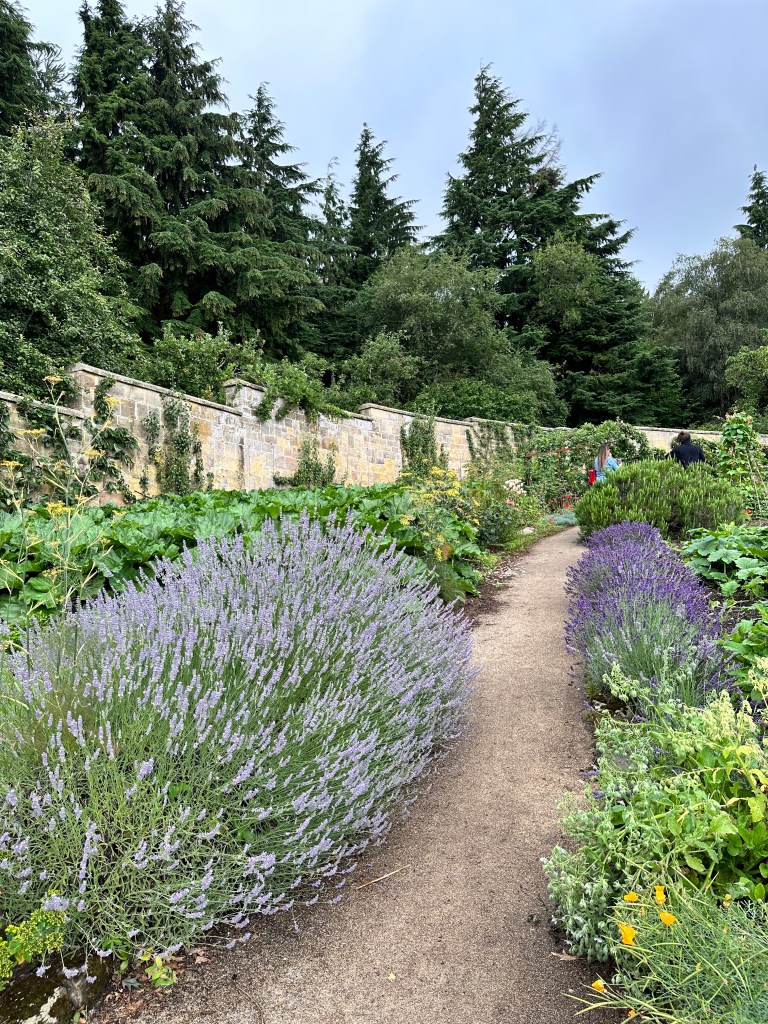
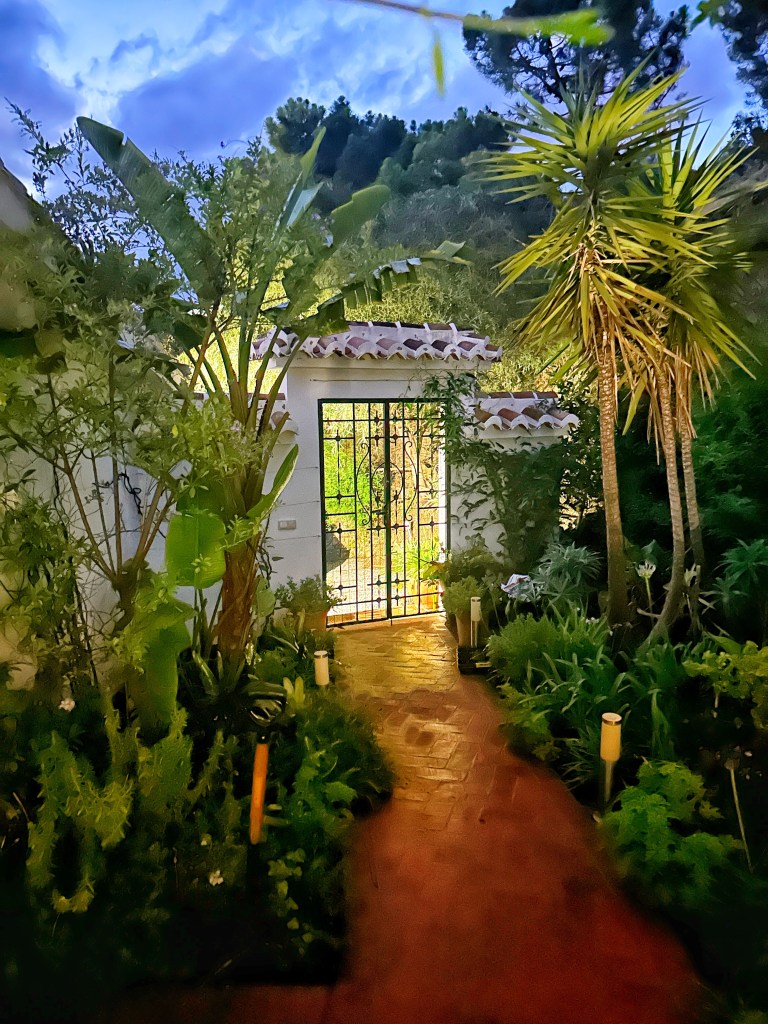
I’m jealous of the lavender in the walled vegetable garden. When we bought our Casa in Spain it had a fabulous lavender path. But it was old and had little pruning and didn’t last long. I’ve had no luck in replanting it. It was replaced with rosemary both upright and creeping and these have done much better for me there.

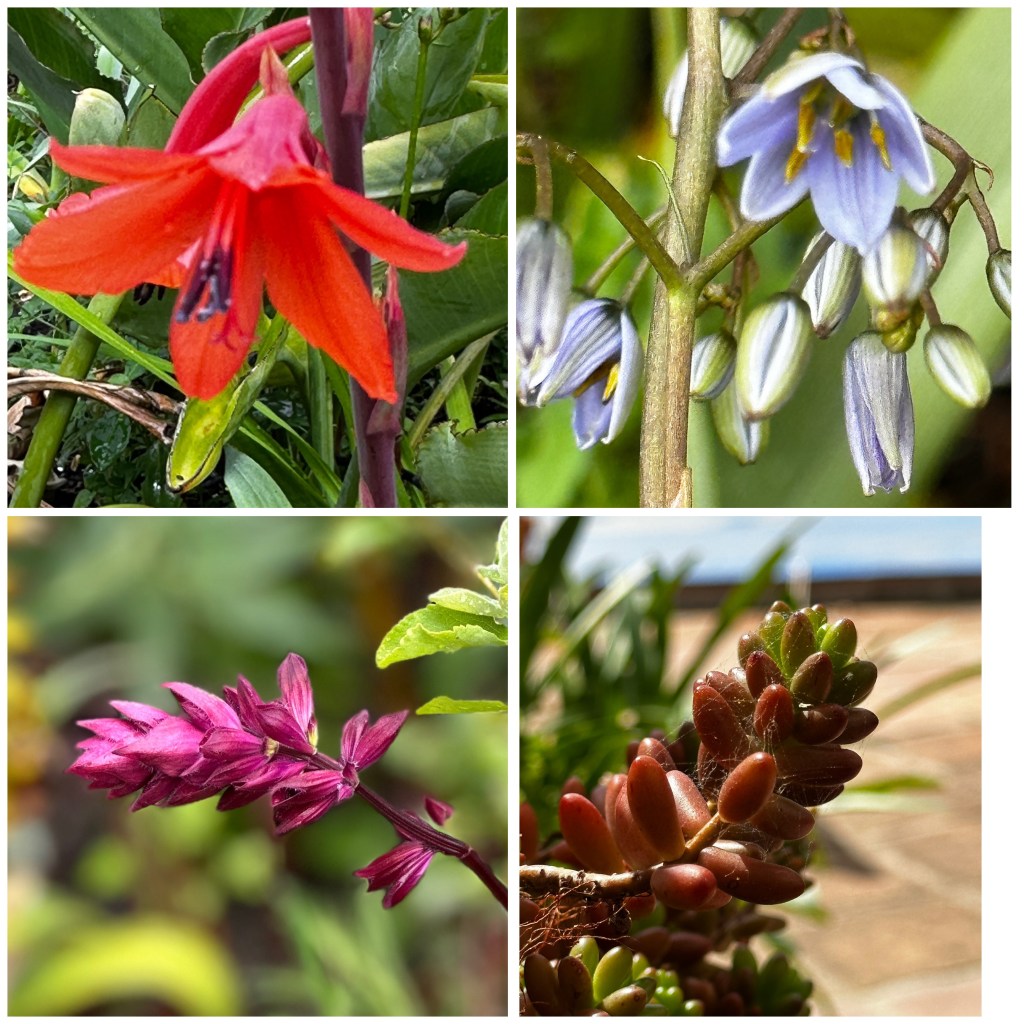
I love this Salvia ~ Salvia confertifolia. A really tall lovely red spike. I’m on the hunt for them already. We have some great persicaria in the Somerset garden and this would fit right in with its height and colour into one of the mixed borders.

Another lovely colourful border. There are a few cannas in the borders but Tom said that he is looking to use less. I forgot to ask why bearing in mind my liking for them in my garden.

This rose was in the walled kitchen garden and took many peoples eye. It’s a really pretty apricot hybrid tea with a strong scent and another plant for the want list. Great to have tie rose expert Mr Marriot leading the tour who confirms that it was Mrs Oaskley Fisher. One for autumn planting for me.
I called it a circular walled garden but Ian corrected me. It’s not circular but it forms a perfect elipse, built in sandstone. I stand corrected as he was probably listening to Tom as I was wandering off. Whatever its shape it’s a hugely productive garden for the restaurant and hotel.
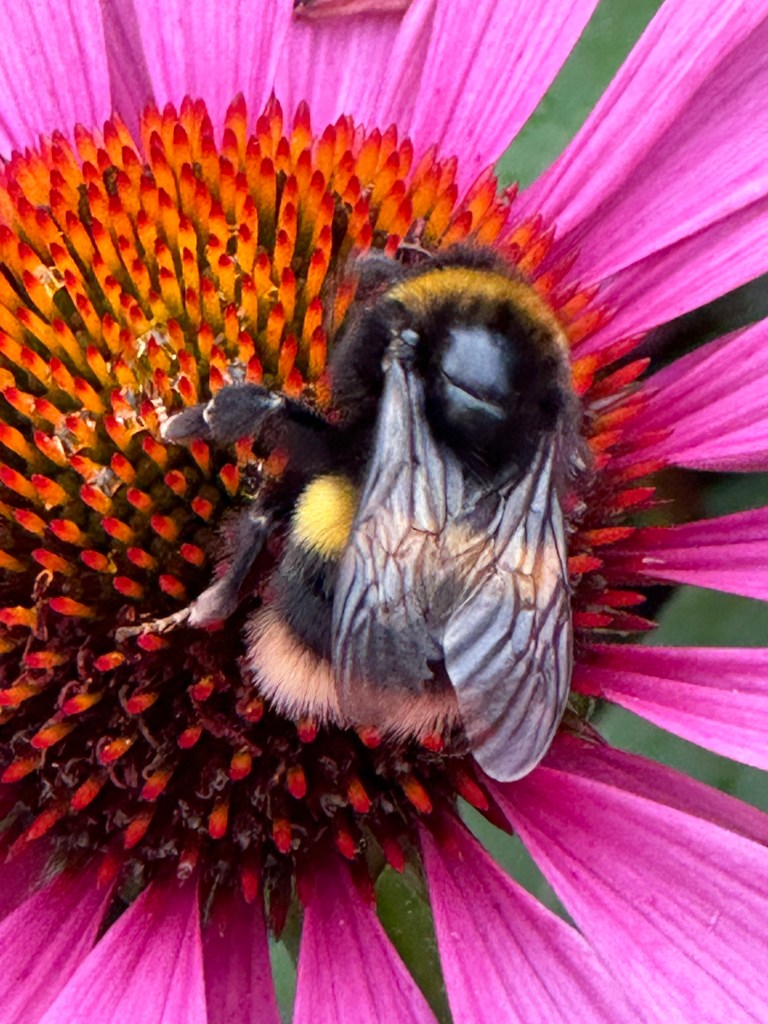
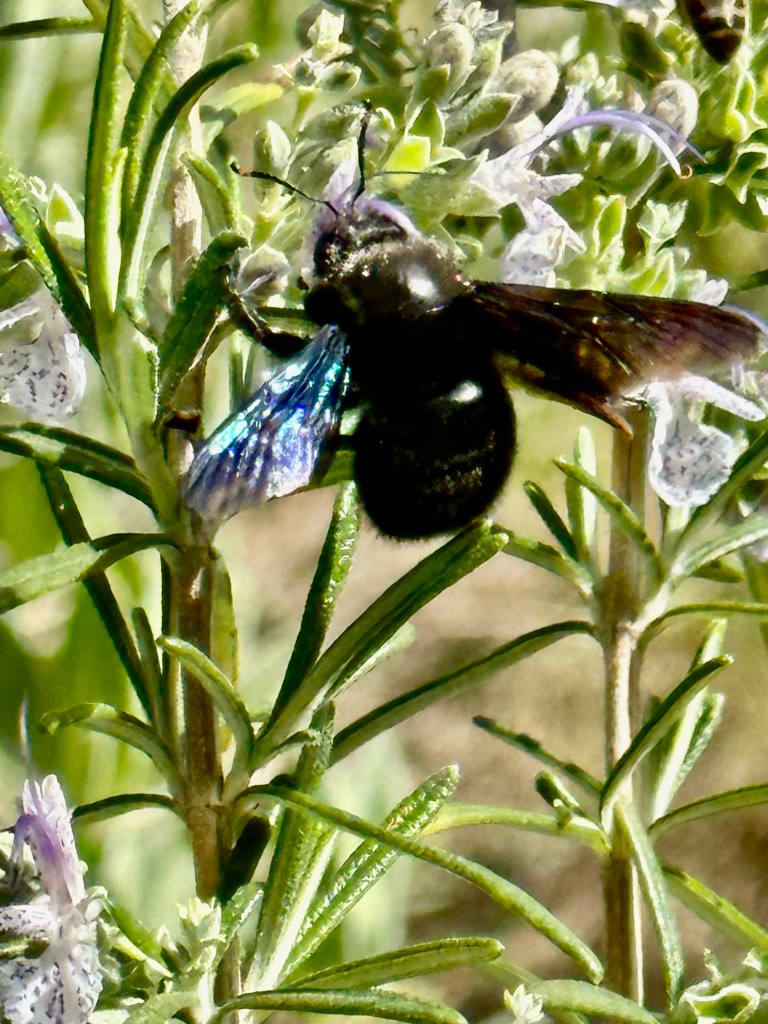
The garden is home to a great variety of insects. The lavender was full of bees and I managed to catch a photo of this large bee when it was still for long enough for the shutter to click. Obviously not on the lavender though.
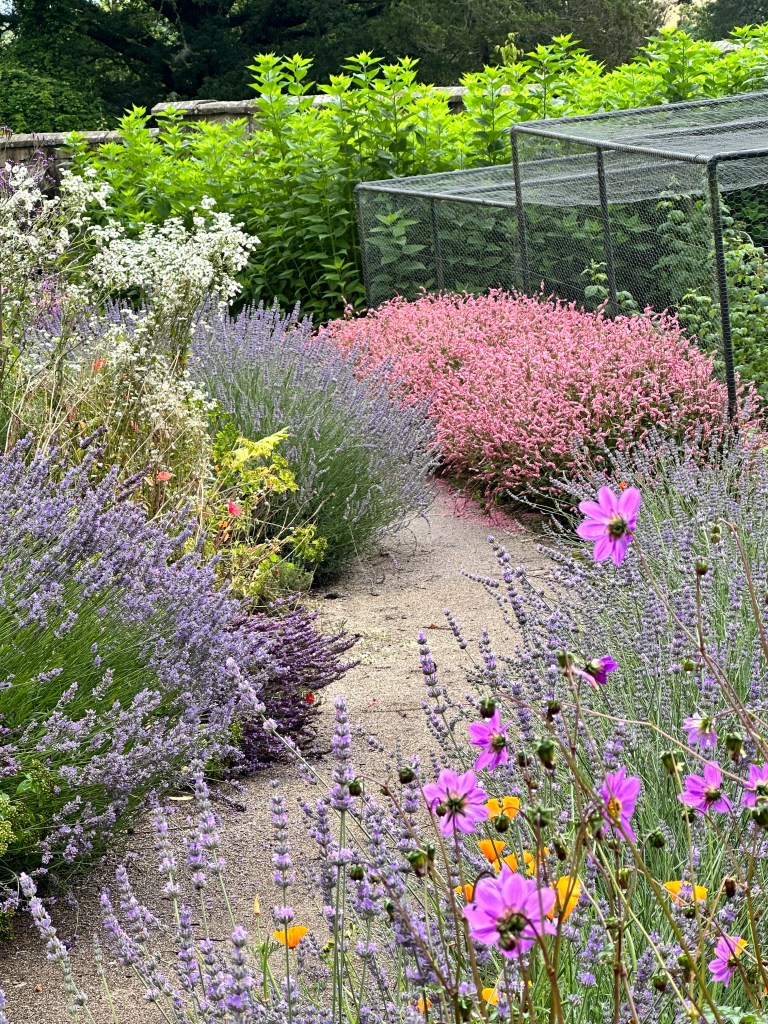
I think the lovely dahlia is Dahlia merckii. A very pretty single flower lilac ~ pink. I say I think as I wasn’t as diligent in having a notebook like some on the tour. Goes well with my being rubbish at labelling in the garden. But it is really lovely dahlia and a great colour and looked great in the kitchen garden.
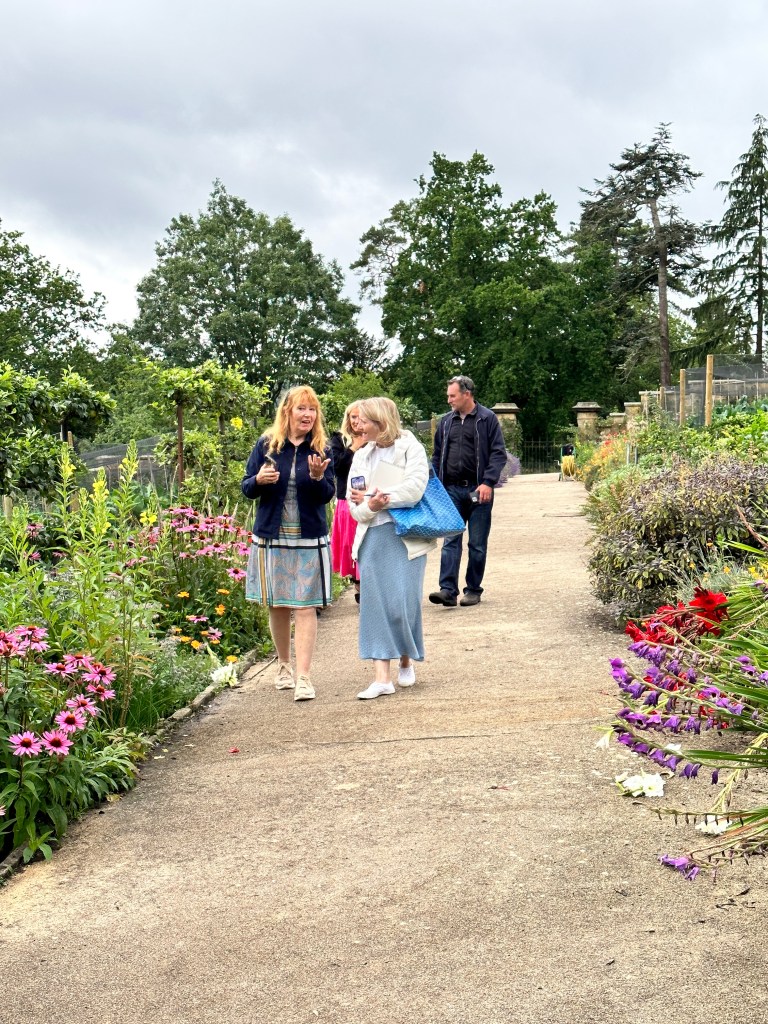
Both Rosie and Michael are so generous with their knowledge which is great with a group of people wanting to know more and are full of questions as was head gardener Tom. Whilst the makeup of the group is random ~ many of the people on this tour had been on a number of other tours with TOD tours. That’s a recommendation in itself. People had travelled from Scotland. From Suffolk. London. The north west and from Somerset. The Somerset one wasn’t just Ian or I but someone who lives about 20 miles away from the Somerset cottage in a village where my maternal ancestors originated.

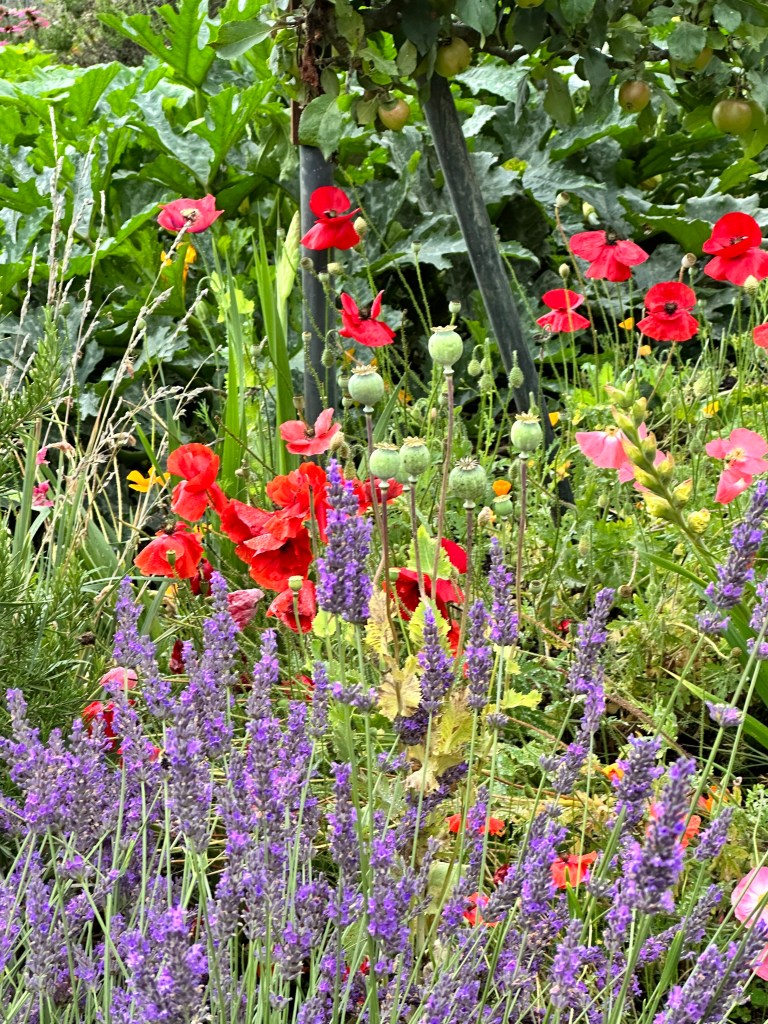
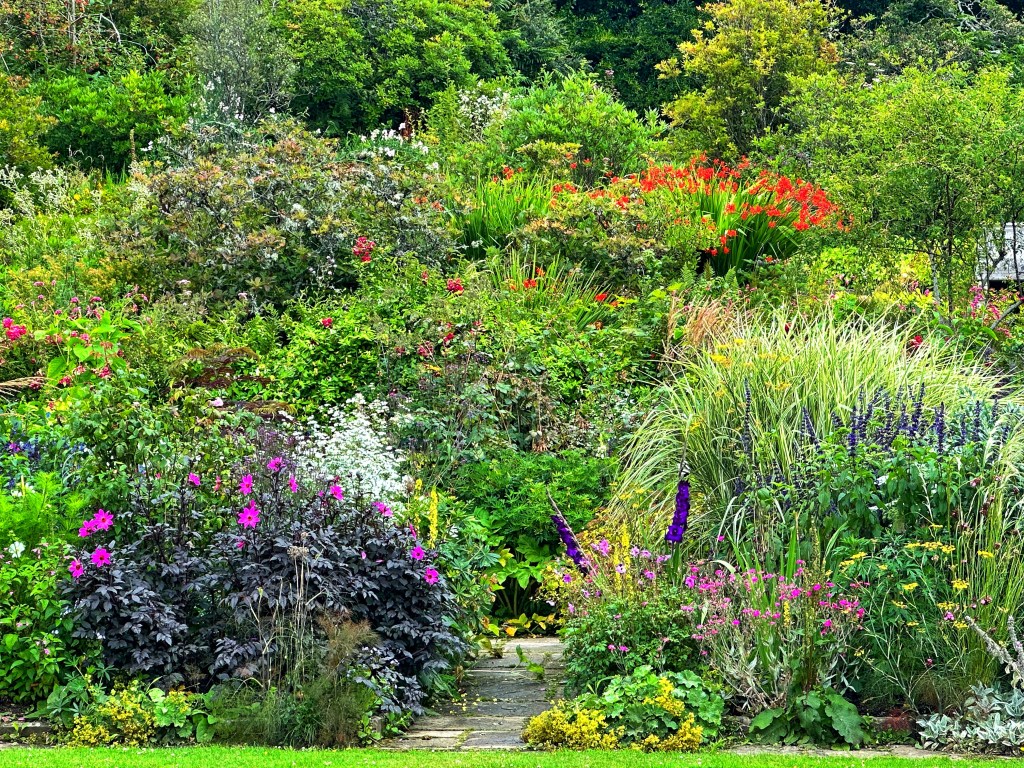

I don’t know how many photos I took but there were many. Would I go back. Absolutely. I’m yet to persuade Ian that it needs a weekend stay.
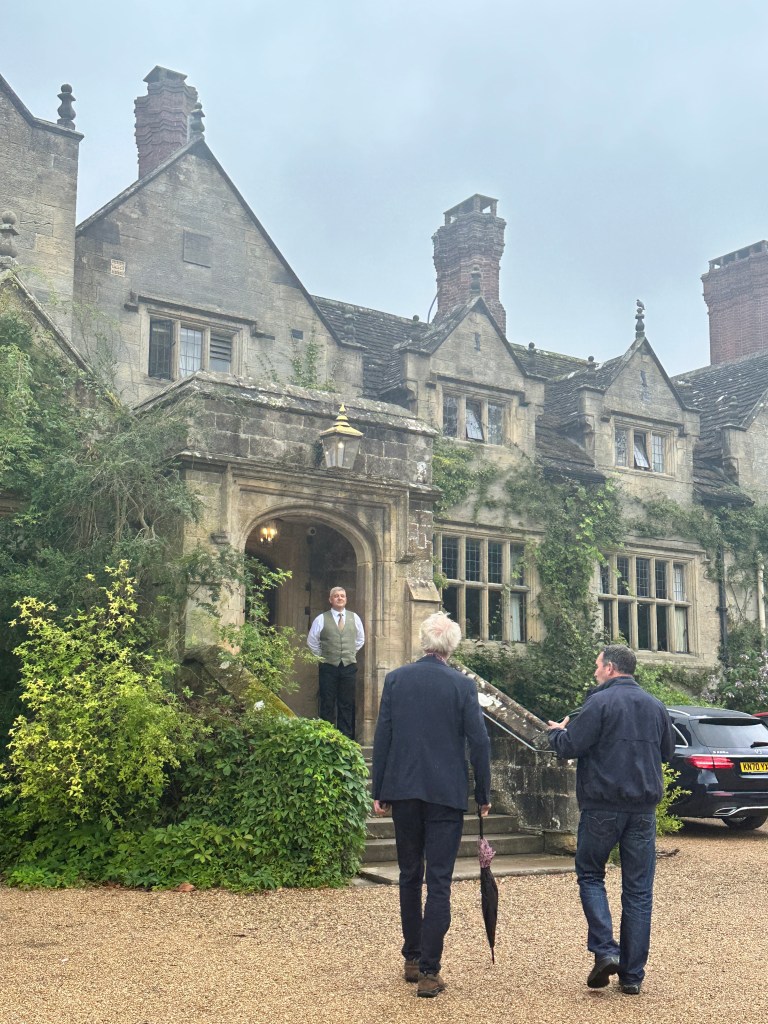
Arriving at Gravetye Manor for coffee and biscuits before the tour to be greeted at the door.
Part two of the tour was to Knepp rewilding on the Knepp Estate. . . There has been so much dialogue about rewilding in garden magazines and on TV and at flower shows both good and bad. The first thing I would say is that we were both blown away by the visit. It’s hard to explain or describe the feeling and many of the photographs do not catch the beauty. The simplicity. The movement and the light of the walled garden or the kitchen garden.
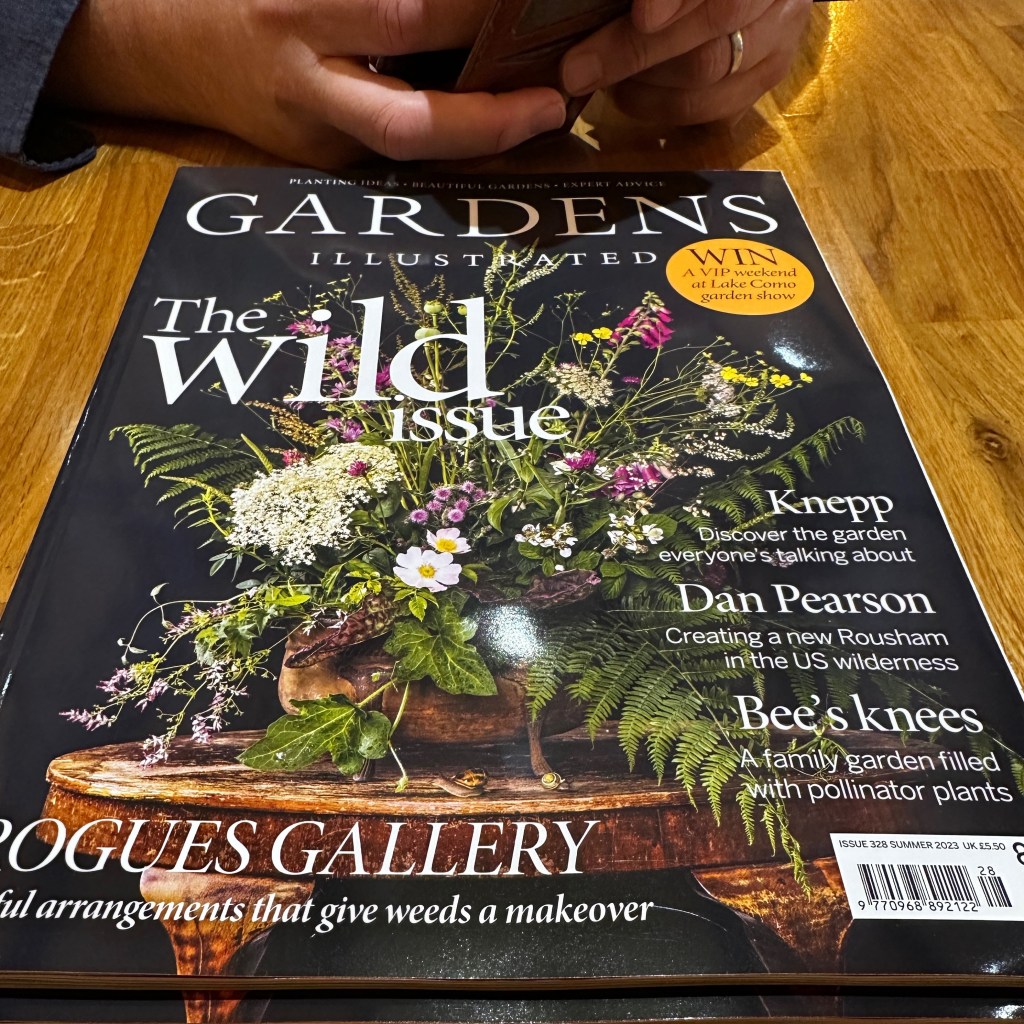
Barbara Segall who was with us on the tour had brought a copy of the Summer edition of Gardens Illustrated when she came to stay which has an article on the Knepp rewilding project which is an interesting read and insight.
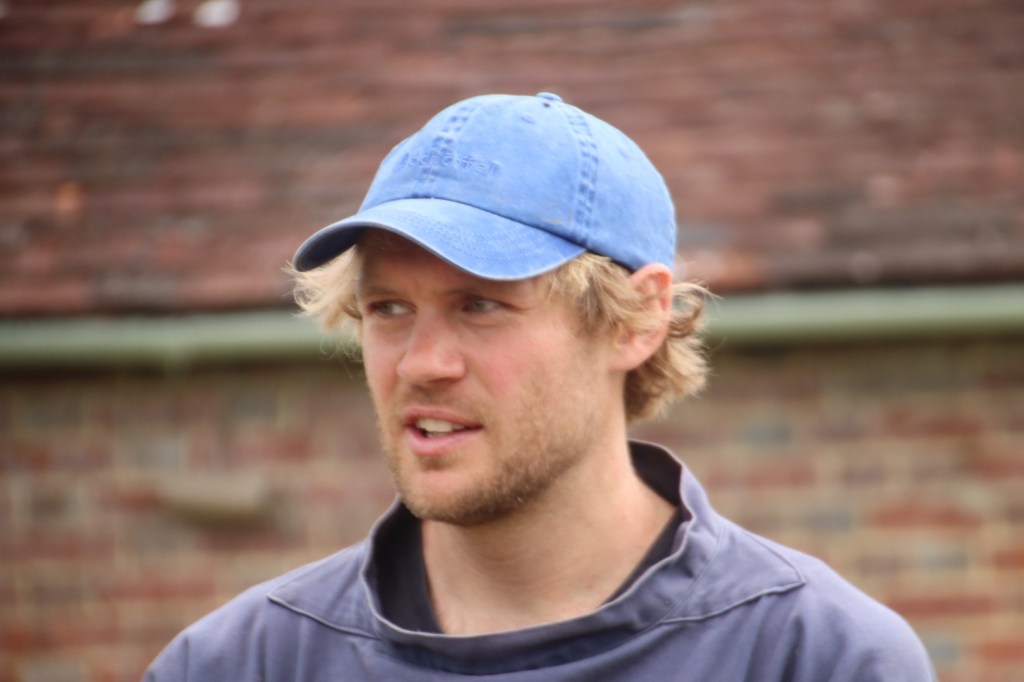
We were greeted by Charlie Harpur the head gardener who gave us a 20 minute introduction to the rewilding project. The land was originally farmed but in 2000 farming ceased and the land left to rewilding. Pigs, horses and beavers were brought in to help with the project. It wasn’t an overnight process and is one that is an ongoing process and continuing.
From Knepo website ~ ‘Professor Sir John Lawton, author of the 2010 Making Space for Nature report says:
‘“Knepp Estate is one of the most exciting wildlife conservation projects in the UK, and indeed in Europe. If we can bring back nature at this scale and pace just 16 miles from Gatwick airport we can do it anywhere. I’ve seen it. It’s truly wonderful, and it fills me with hope.” ‘
The bio diversity at Knepp is astonishing and the wildlife immense. Knepp rewilding operates a number of wildlife safaris during the seasons and covers species like bats, butterflies and moths and nightingales. A note on their website re nightingales says ‘ In 2022, we counted over 50 males singing from territories in Knepp’s billowing hedgerows and patches of scrub – a remarkable increase from only seven territories prior to rewilding, twenty or so years ago.
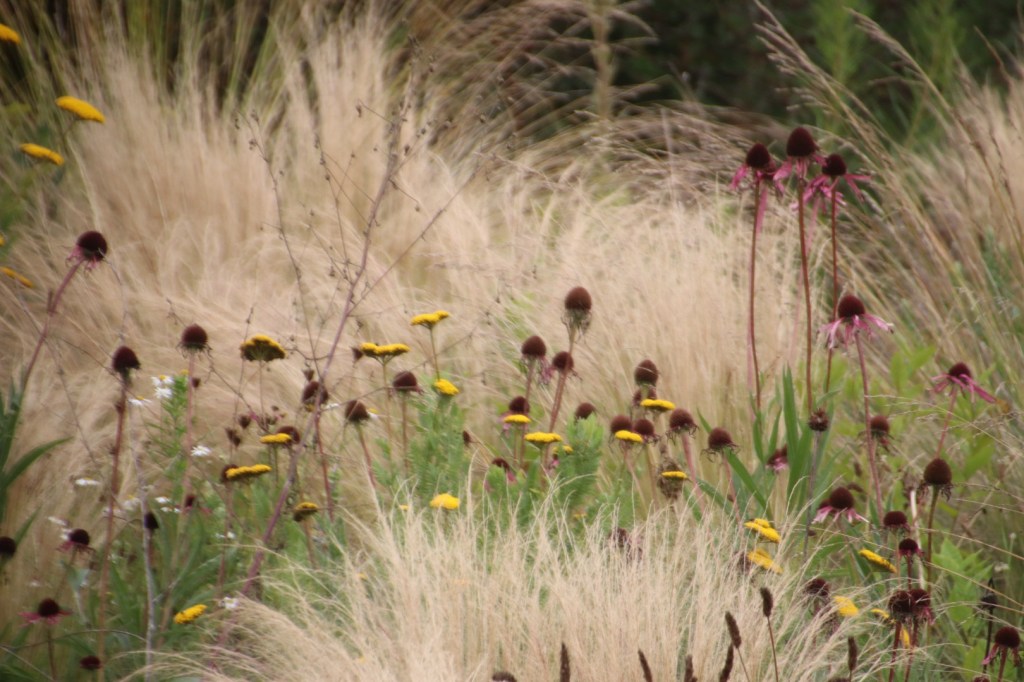
And another quote from Knepp rewilding website < The potential of our gardens to provide for wildlife and help reverse global biodiversity loss is enormous. At Knepp, our manicured lawns and weeded paths and borders were – ecologically speaking – similar to the groomed arable land that pre-dated our rewilding project on the rest of the Estate. As a result of rewilding, the wider landscape at Knepp is now a complex mosaic of habitats, teeming with wildlife. But can we achieve this in much smaller areas? Can we rewild an outdoor space that many of us consider an extension of our homes?’
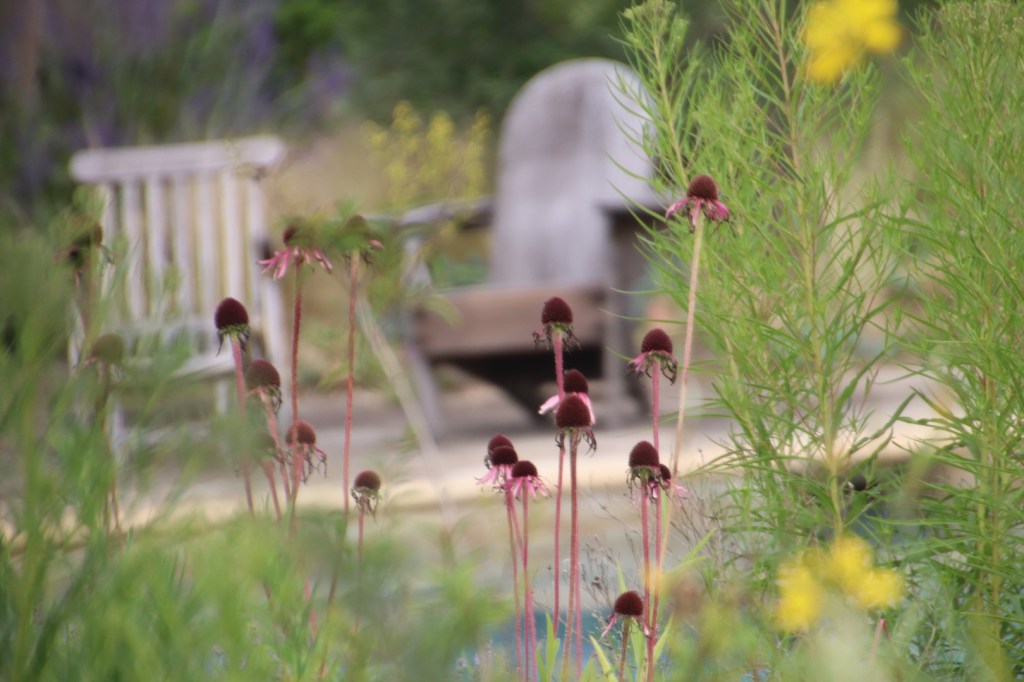
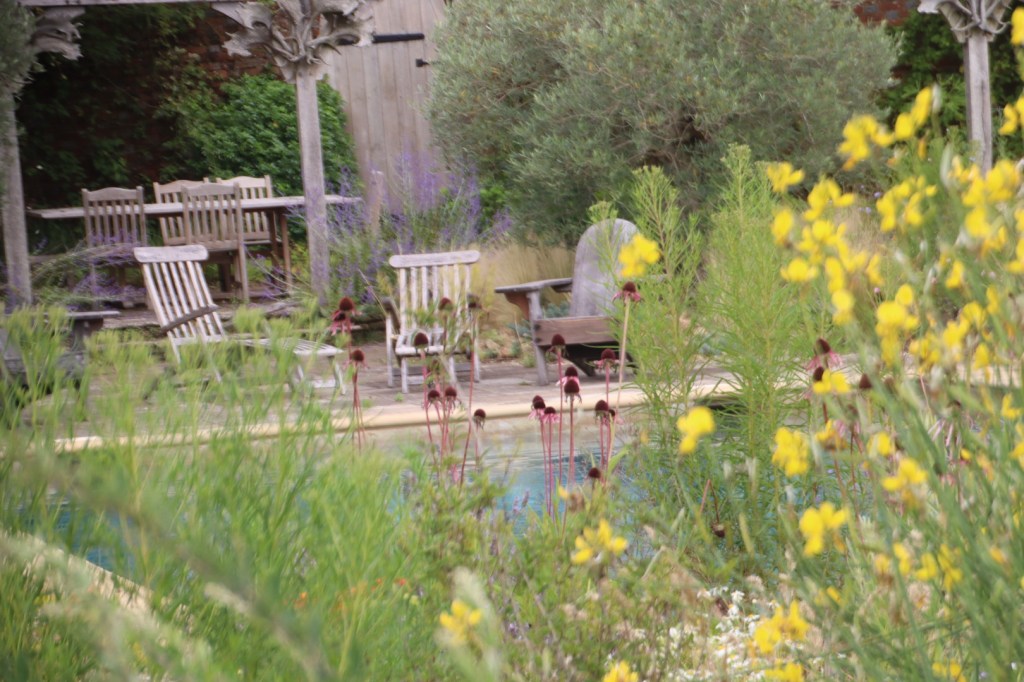
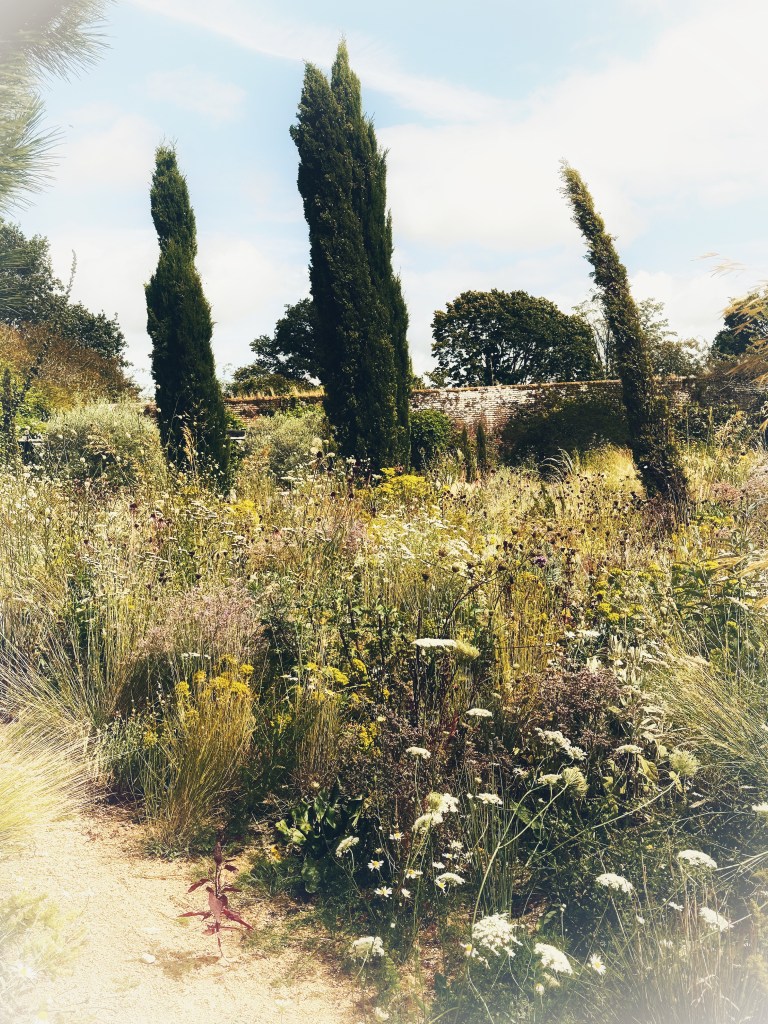
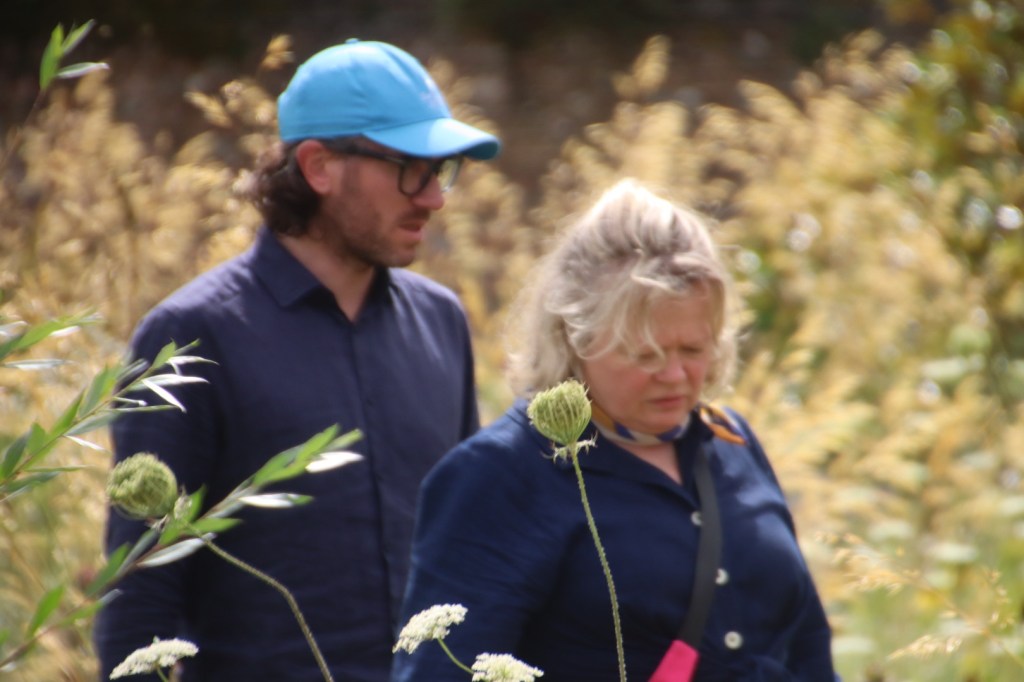

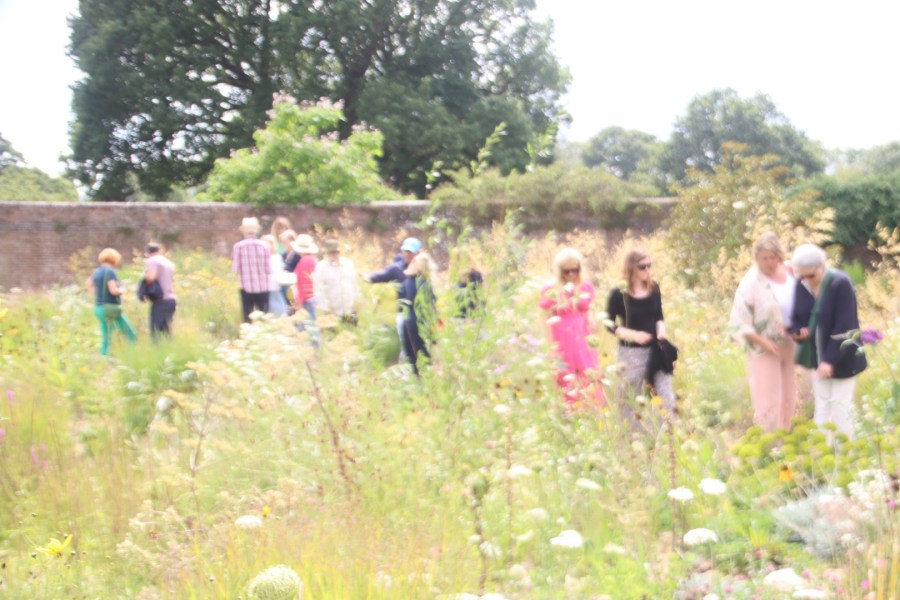
The small tour group wandering through the walled garden.

I wished I’d taken a photo of the planting list that was available to read after we had done the tour. Or made notes during maybe.
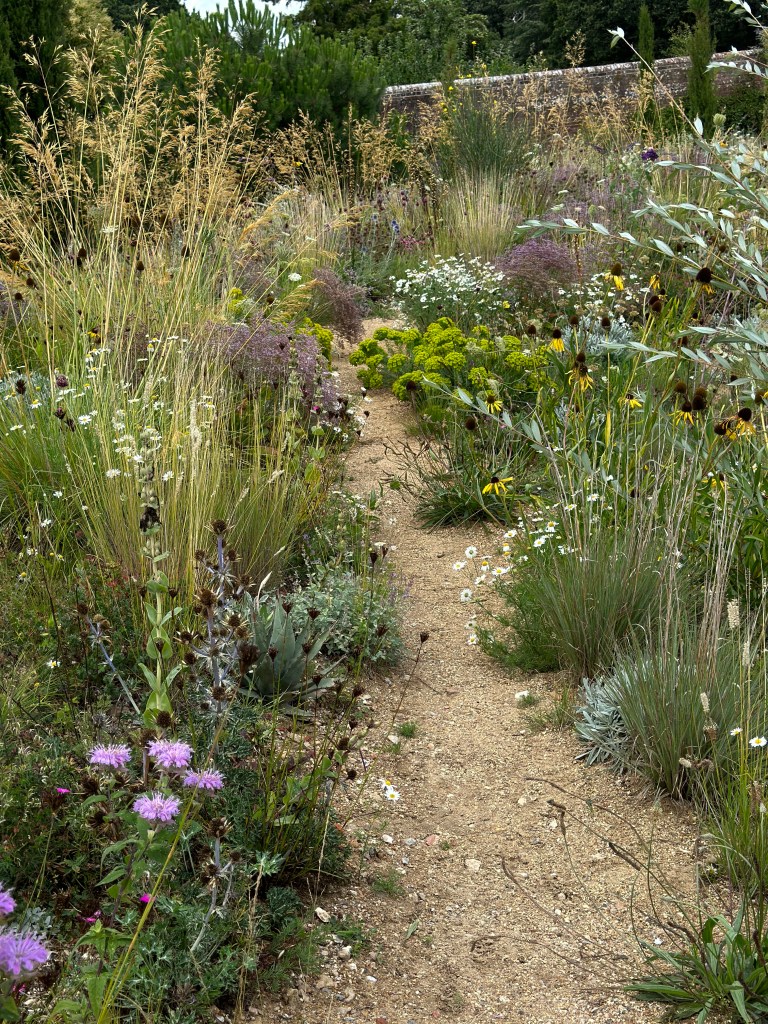
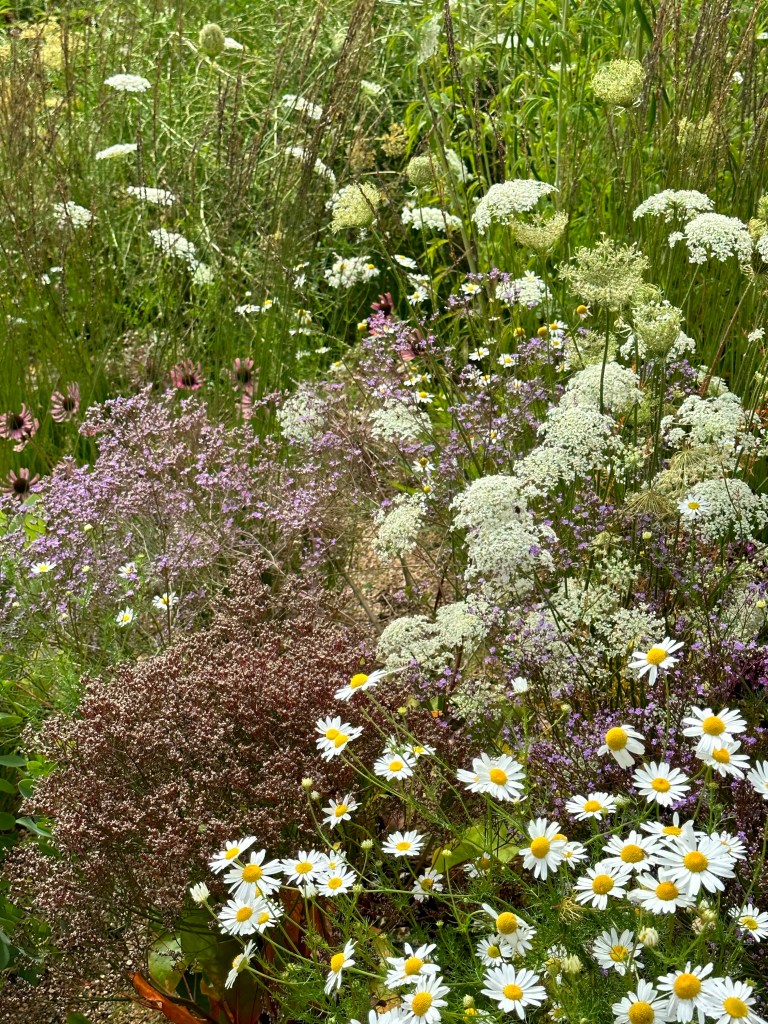

In the corner of the kitchen garden is a hive for the wild bees which was humming. A lovely structure.
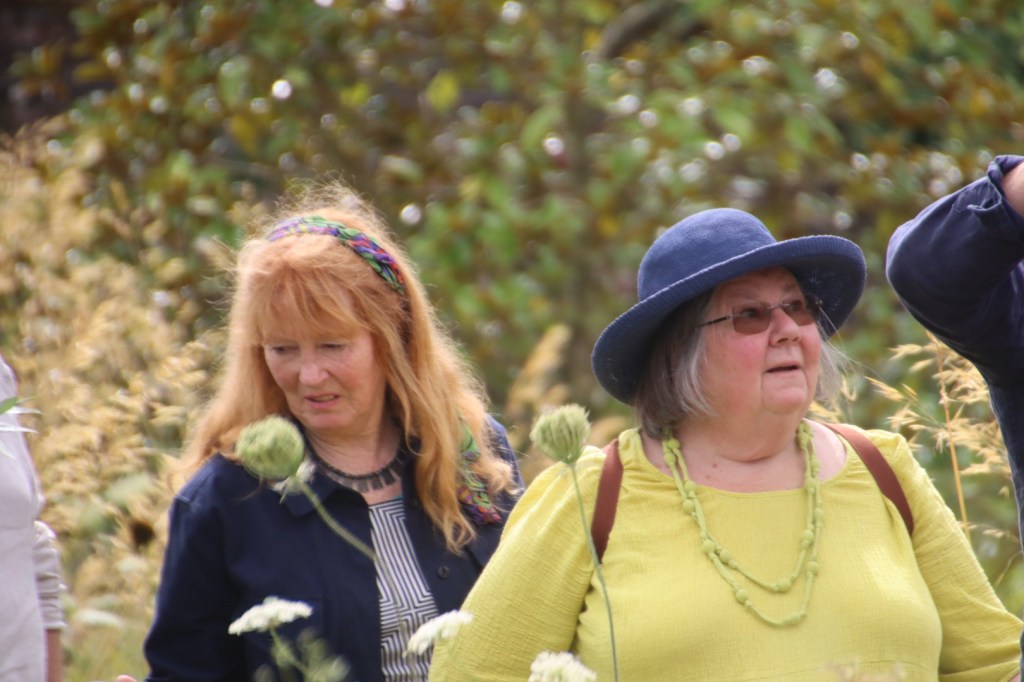
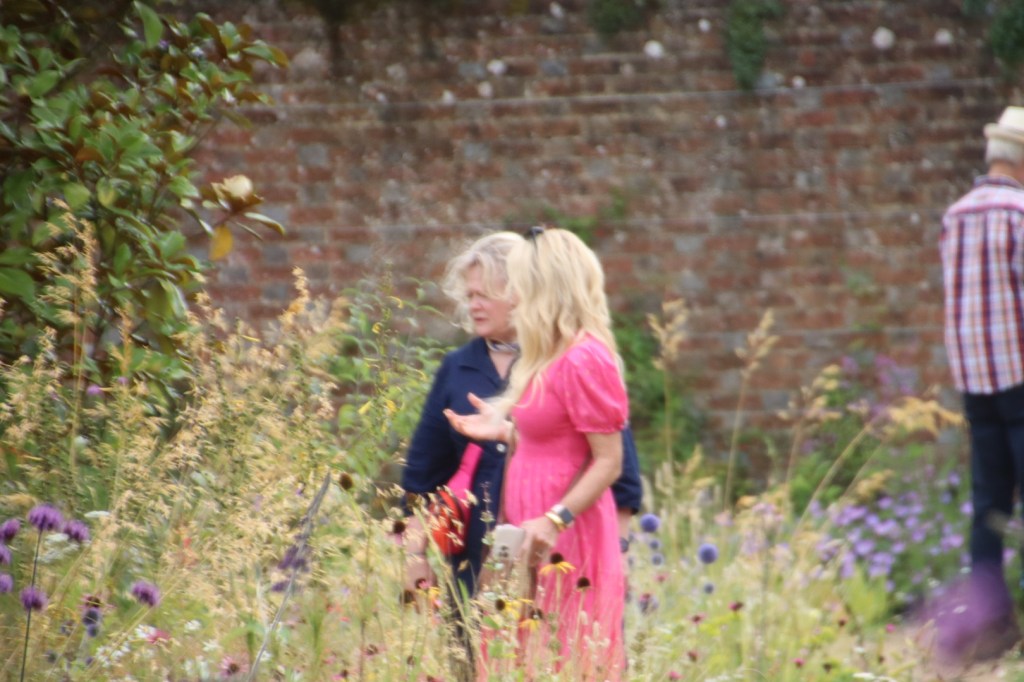
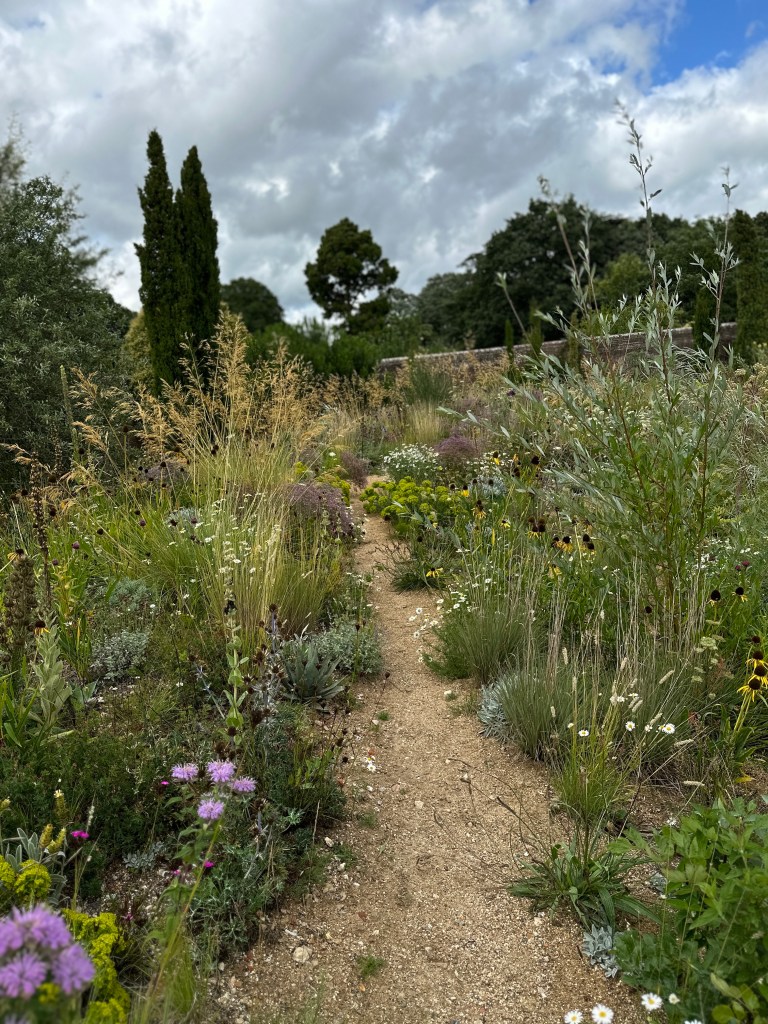
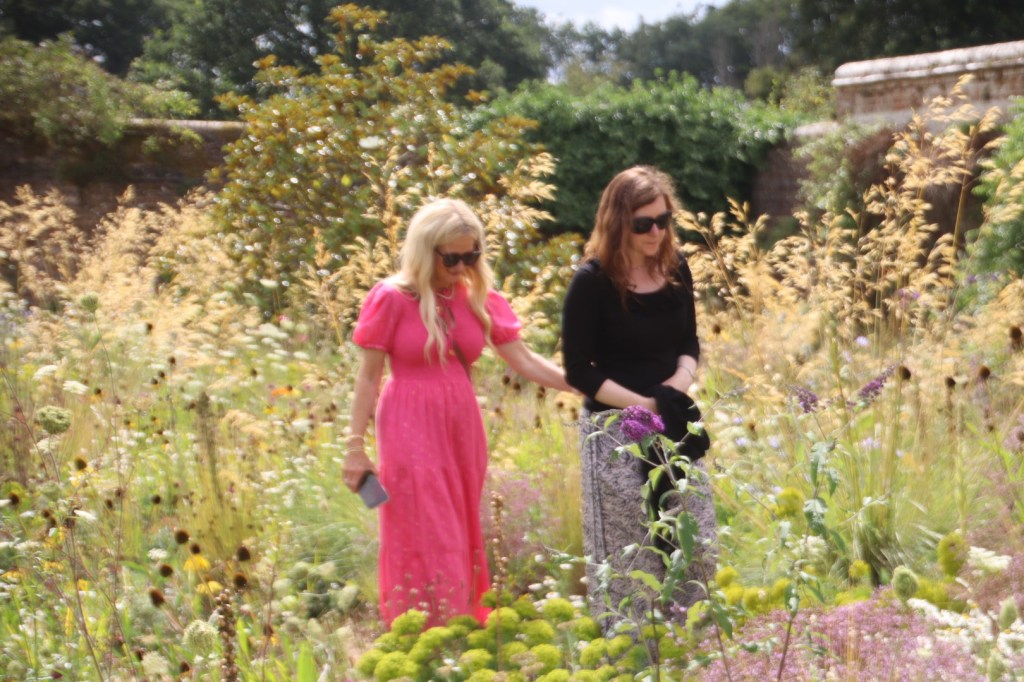
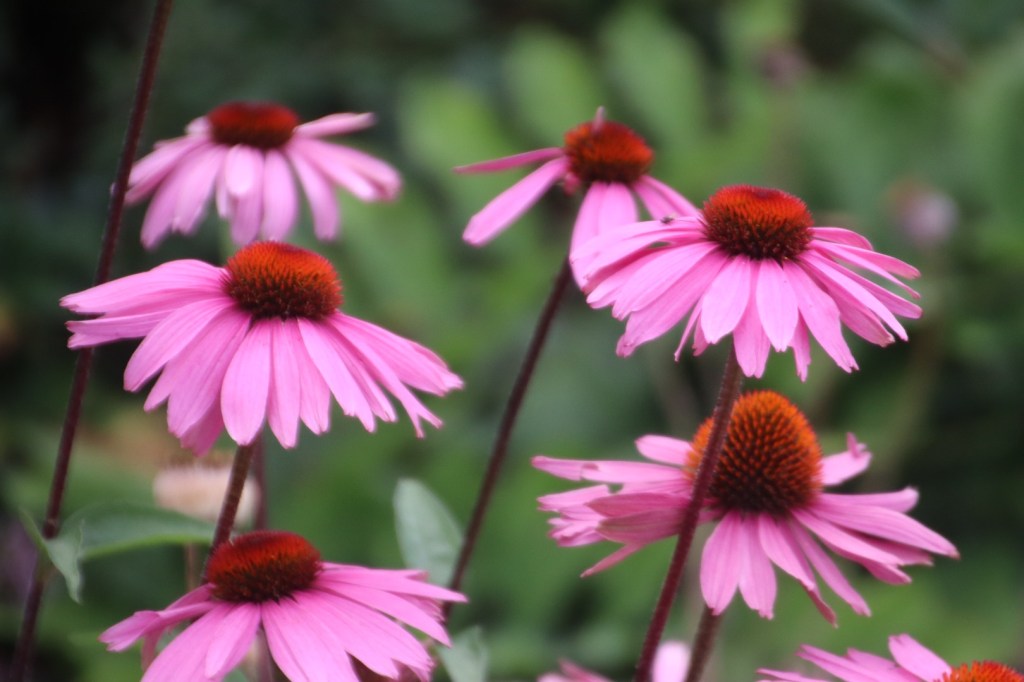
After the introductory talk from Charlie there was a wander through the gardens with a great discussion on the gardens the planting and the plants. Charlie is a great narrator and his enthusiasm for the project is inclusive.
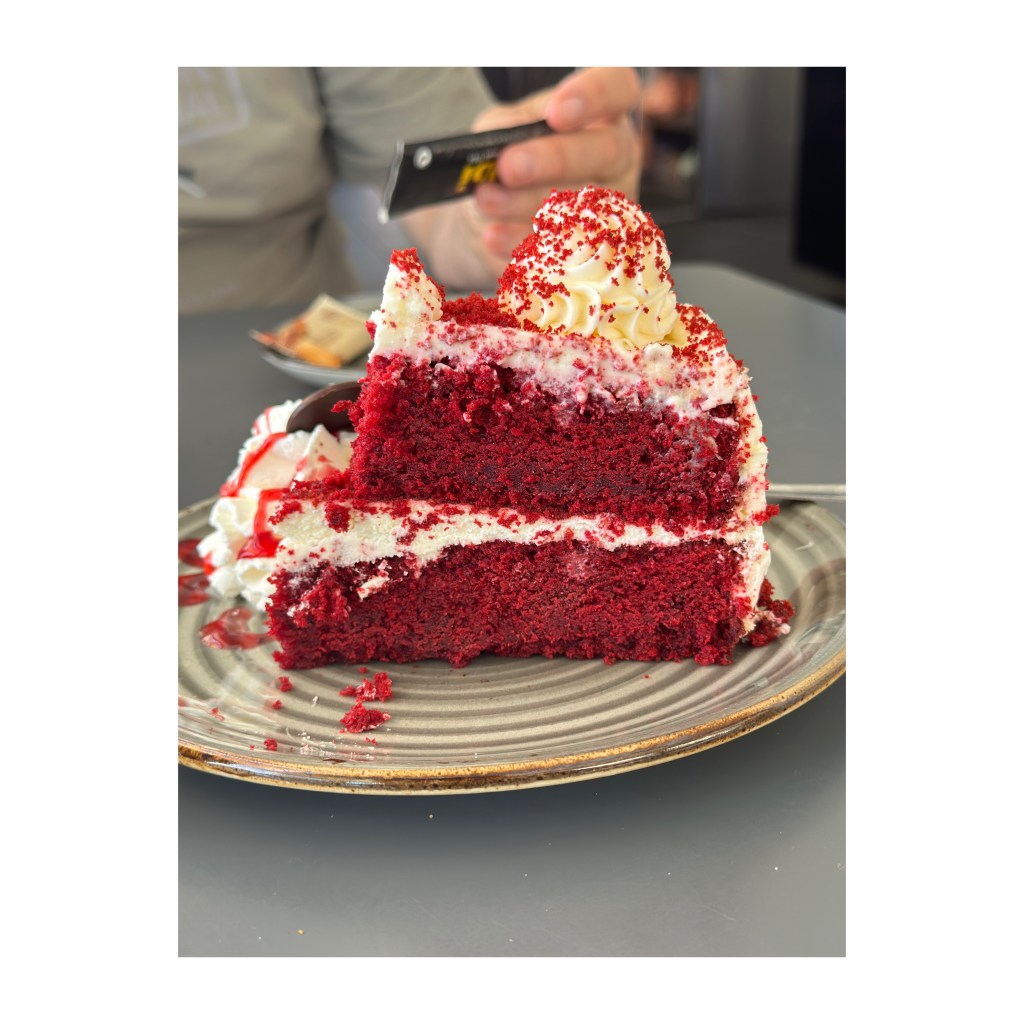
The project certainly gave food for thought amongst us all with conversations with Rosie, Michael and with the other people in the group. But like everything good things must come to an end and it was time for tea and delicious cake. It’s a hands on tour ~ you even get the tour organiser pouring your tea.

Details of future Tod Garden Tours can be found in the link ~ worth taking a note of for any future tours that are added. My plan is for a future visit to the gardens in Ireland. I’ve yet to tell Ian.
















































































 Gardens. Travel. Life.